




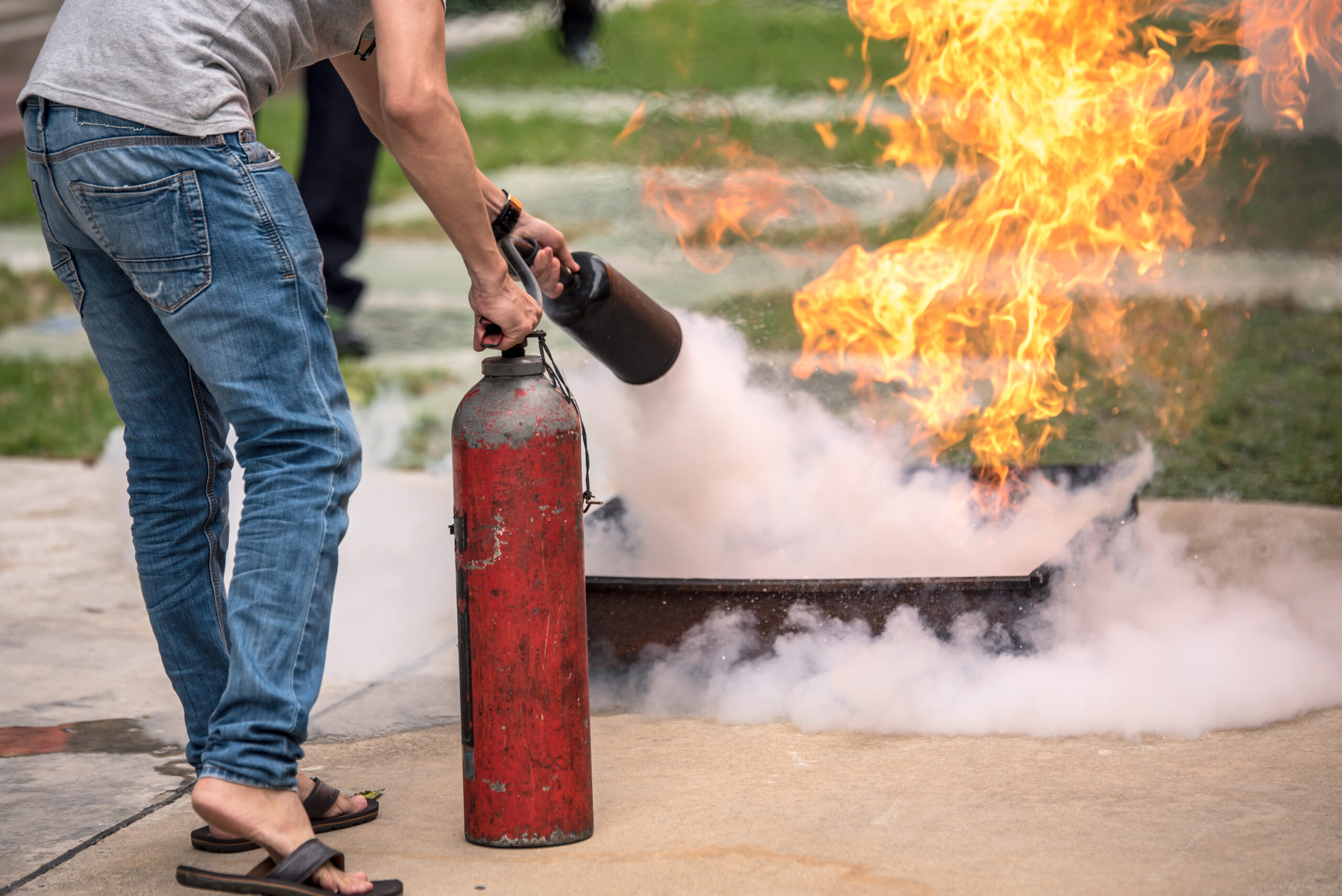
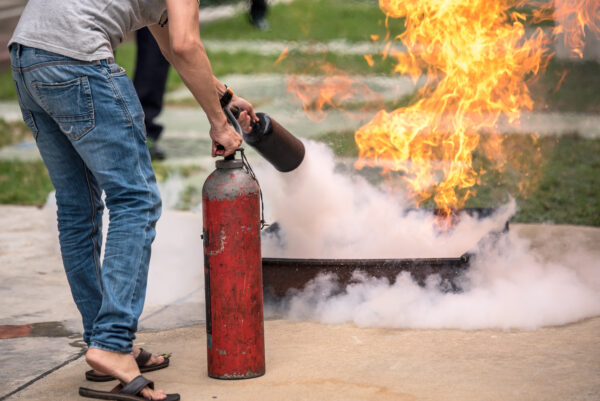
A tűzoltó készülék úgy működik, hogy egy speciális oltóanyagot fecskendez ki egy égő anyagból. A tömörített hajtógáz nyomása a tartályban lévő oltóanyagot egy fúvókán keresztül löki ki. Az oltóanyag hatása lehet hűtés, légmentesítés (oxigén elvonása) vagy kémiai reakció, amely elfojtja az égést.
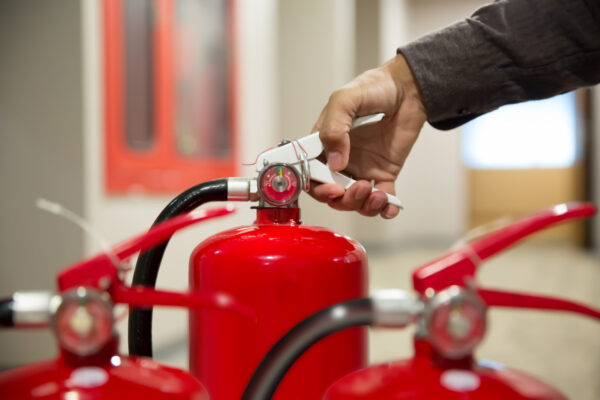
Fire extinguishers disrupt the reaction of the fundamental elements required to sustain a fire, namely heat, fuel, and oxygen. Pressing the lever on top of the different types of fire extinguishers activates the valve inside, which then opens suddenly and forcefully. Releasing the pressurised gas and extinguishing agent begins to suppress the fire.
The active extinguishing agent used for fire extinguisher types is available in various forms, such as potassium bicarbonate (KHCO3) powder, liquid water, vaporising fluorocarbon or CO2. Each variation serves a specific purpose: cooling the fuel, removing oxygen, or inhibiting chemical reactions that contribute to the spread of fire.
The critical components of fire extinguisher types work together to ensure the effective deployment of the extinguishing agent. These include the cylinder, pressure gauge, valve, siphon, dispersal system, and nozzle. These are suitable for the rapid and effective containment and extinguishing of fires in any environment.
The sophisticated design and functionality of fire extinguisher types contribute to the in fire safety protocols These play a decisive role, as they provide a reliable tool for combating different types of fires. Manufacturers like Pwent help manufacturers and maintainers of fire extinguisher types by supplying safe machines.
Types of fire
Understanding the nature of the fire is essential for choosing the correct types of fire extinguisher. artillery into separate categories Classification helps to determine the correct vaccination strategy.
Class A fires: ordinary combustible materials
Class A fire types can involve common combustible materials such as wood, paper, cloth, rubber, and plastic. These types of fires are characterised by a constant flame and significant smoke production, and require fire extinguishers of the foam or dry powder type.
Class B fires: flammable liquids and gases
Flammable liquids or gases such as petrol, oil or propane fall into the category of Class B fires. These types of fires spread quickly, especially in enclosed spaces or containers, which necessitates the use of CO2 fire extinguisher types.
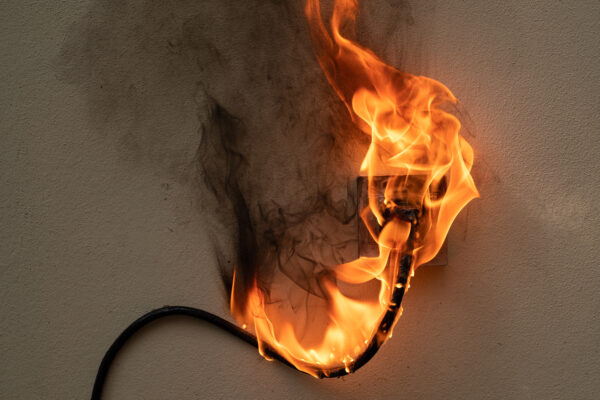
Class C fire types: electrical fires
Fires involving electrical equipment, appliances, or wiring come under Class C. The unique challenges posed by fires caused by energised electrical components are addressed by ABC powder extinguishers and CO2 fire extinguishers.
Class D fire classifications: flammable metals
Class D fires involve combustible metals such as sodium, magnesium, aluminium, potassium, lithium, titanium and zirconium. The identification and handling of this type of fire require special types of fire extinguishers designed for combustible metals.
K Class fires: fats and cooking oils
Class K fires are typically caused by flammable cooking oils and fats that originate in a kitchen environment. Recognising and dealing with this type of fire immediately is of utmost importance, which requires extinguisher types specifically designed for flammable cooking liquids.
Matching fire extinguishers and fire types
A Selection of the appropriate fire extinguisher type is crucial for effective firefighting. In this section, we will detail them.
Water fire extinguishers
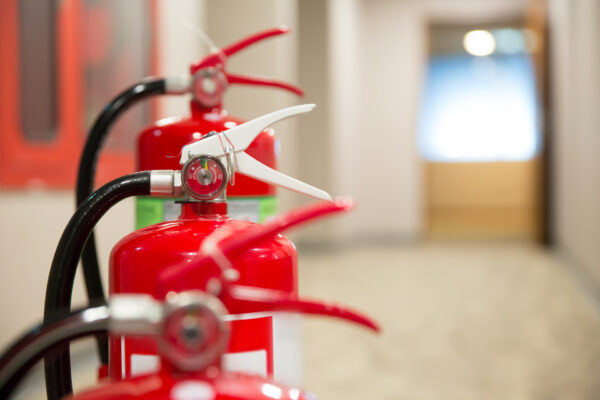
Water extinguishers are specifically designed for Class A fires, which primarily involve ordinary combustible materials. The fire extinguisher, identifiable by its red body and white label, works by cooling the fuel, which effectively slows down the combustion until the fire is successfully extinguished.
There are two main advantages to using a water extinguisher:
- It has no harmful environmental impact.
- The fire is quickly extinguished due to the rapid cooling effect produced when the fire extinguisher is deployed.
2. Fire extinguishers with extinguishing agent
Foam extinguishers suitable for extinguishing Class A and B fires use a combination of water and aqueous film-forming foam, or AFFF. Types of fire extinguishers recognisable by their red body and cream label extinguish fires and seal off flammable vapours.
This type of fire extinguisher is designed to prevent re-ignition. They are lighter than their equivalent water-based counterparts, non-toxic, and cause minimal damage in most materials.
3. Dry powder fire extinguishers
ABC fire extinguishers, also known as dry powder fire extinguishers, offer versatile and effective assistance for Class A, B, and C fires. Can also be used for fires involving electrical equipment up to 1000 V.
Fire extinguishers, identifiable by their red body and blue label, extinguish fires by interrupting the chemical chain reaction. A Pwent, a trusted player in the industry, Fire extinguishers offering filling and powder recovery for the maintenance of these types of fire extinguishers, from handling 20-30 units per day, up to a daily filling requirement of several tonnes.
It is important not to choose this type [of extinguisher] for fires involving flammable metals or in enclosed spaces, unless a special dry powder extinguisher is used.
4. CO2 fire extinguishers
CO2 fire extinguishers, which are primarily used for electrical fires, i.e. Class C fires, and practically for Class B fires, replace oxygen with carbon dioxide stored in liquid form in the extinguisher. Fire extinguishers recognisable by their red body and black label offer a good solution for electrical fires. Pwent offers a simple solution for the transport of CO2 charging systems.
When the handle is pressed, gas is generated under pressure. Unlike water and foam extinguishers, CO2 extinguishers do not exert their effect by cooling the fire, but by displacing the oxygen that fuels the combustion. Consequently, they are not effective for fires involving flammable solids. CO2 and water extinguishers are the most commonly used types of fire extinguishers in offices.
5. Chemical fire extinguishers
The Class F wet chemical fire extinguishers designed for cooking oil and fat fires create a saponification layer to suppress and cool the fire. Fire extinguishers identifiable by their red bodies and yellow labels are vital for kitchen fire safety.
Conclusion
Understanding fire extinguisher types and their uses is extremely important for promoting the safety of individuals and property. By understanding the science behind fire extinguishers, recognising the different fire classes, and selecting the appropriate extinguisher types, individuals can contribute to effective fire prevention and firefighting strategies.
Pwent offers a variety of machinery for the manufacturing and maintenance of fire extinguishers. Our machinery includes CO2 pumps, as well as solutions for filling and emptying powder fire extinguishers. We provide our partners with machines that enable them to carry out maintenance on extinguishers that use water, foam, or even chemical agents.
Choosing the right type of fire extinguisher and using it correctly empowers individuals to act quickly in the event of a fire, thereby reducing potential risks and protecting lives and property.