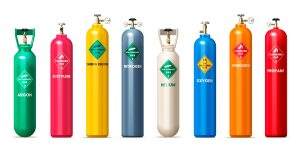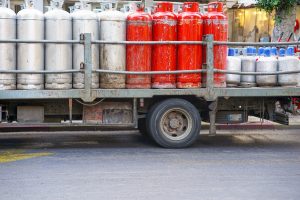




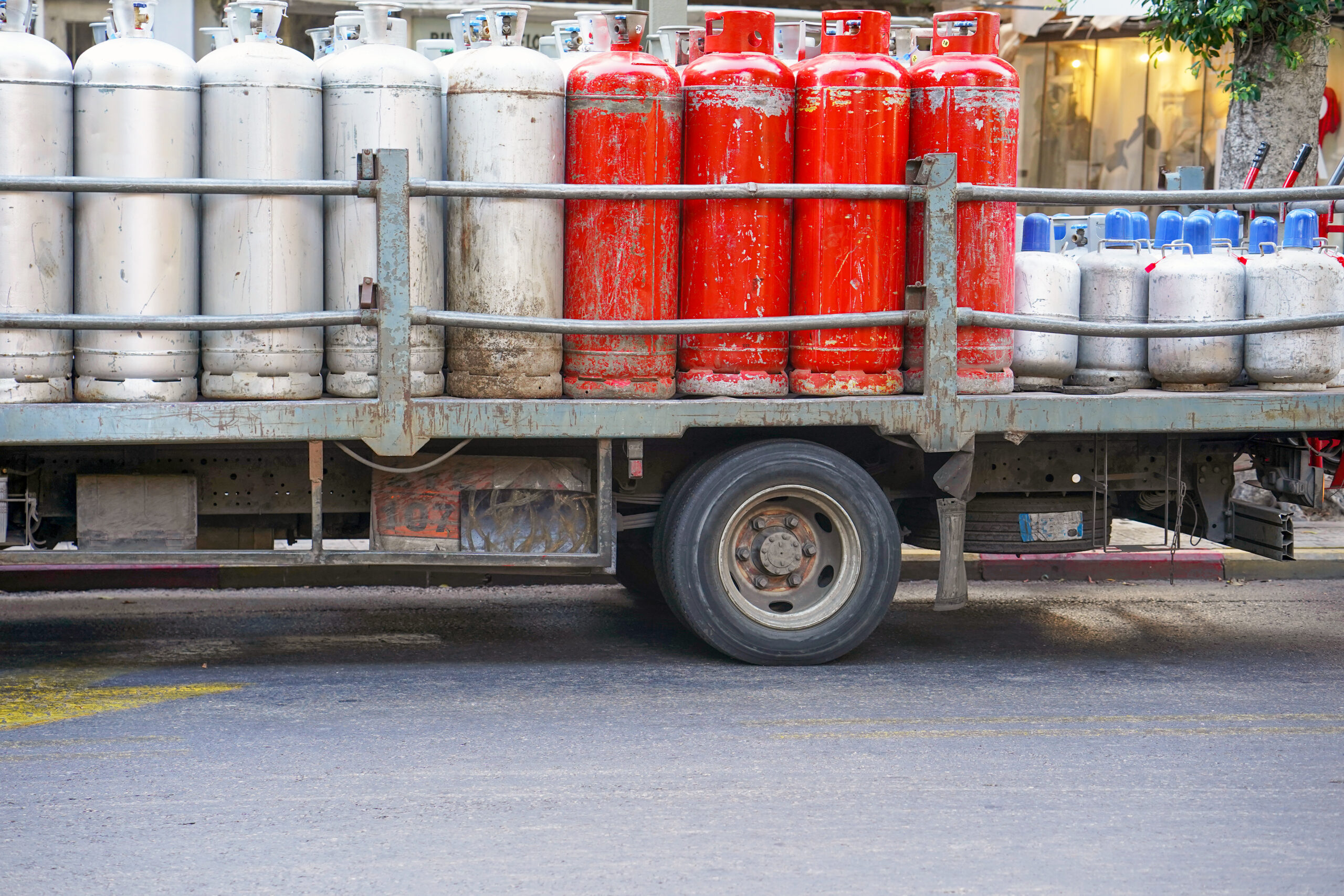
The international Gas safety and handling regulations the cornerstones of the sector's balanced growth and safe operation. Such global standards as The importance of API standards invaluable, as they ensure trouble-free operation, while emphasising the importance of regular maintenance of gas appliances for safety.
What are the most important guidelines, and how do they help the industry function properly? What is The importance of quality gas cylinders in ensuring the efficiency of the sector?
1. Natural gas transmission in the European Union
The 2008/68 Directive is the cornerstone of gas safety regulation for European roads. It lays down general rules concerning the road, rail and inland waterway transport of gases, within and between EU Member States.
The directive was adopted in 2008 to prevent risks associated with the movement of dangerous substances, and it has since played a key role in both enforcing gas safety standards and ensuring the balanced operation of the transmission network.
Important provisions and guidance
Directive 2008/68 essentially establishes common rules for various important aspects of gas transmission. The regulations include protocols for loading and unloading procedures, transhipment guidelines, and requirements for specified stops during transit.
By establishing clear guidelines for individual stages of the transport process, the directive aims to reduce potential hazards and ensure the safe and efficient transport of gases on European roads.
Exceptions and exemptions
Despite its broad scope, Directive 2008/68 does contain certain exceptions and derogations. For example, it excludes the transport of dangerous goods by vehicles, wagons, or vessels under the jurisdiction of the armed forces.
Certain categories of sea-going vessels, such as sea-going vessels operating on inland waterways, and ferries operating exclusively on inland waterways, are also not covered by the Directive. Furthermore, transport operations in confined areas, such as industrial facilities or warehouses, are also not subject to the regulatory requirements laid down in Directive 2008/68.
Special delivery cases
The exceptions in the regulation also point to the fact that there are specific scenarios for which more nuanced requirements are necessary.
While the armed forces, for example, may be exempt from certain provisions, they are still expected to adhere to strict security protocols established by national authorities. Seagoing vessels travelling on inland waterways must also comply with the regulatory frameworks that apply to them.
Ensuring transparency
By ensuring common rules and guidelines, the directive promotes interoperability and cooperation between Member States, thereby enhancing the overall security of gas transmission operations.
2. European gas security at national level
At a national level, EU countries can still independently decide on their own, individual gas security regulations.
While adhering to the comprehensive guidelines set by the EU, member states are entitled to regulate or even prohibit the transport of dangerous goods, including gases, within their national borders. Beyond traffic safety, other considerations such as environmental protection or national security may also lie behind these regulations, pointing to the multifaceted nature of gas safety regulations.
Member States shall also have the right to impose, within their own jurisdiction, specific safety requirements concerning the domestic and international transport of dangerous goods. This decentralised approach allows for the customisation of security protocols to effectively address local issues, thereby complementing the broader regulatory framework established by the EU.
3. Gas Safety on International Roads
Harmonised methodology and regulations are required for the safe international transport of dangerous goods, including gases.
International standards
The international transport of dangerous goods requires a uniform, cross-border approach to safety regulation. To achieve this, a series of agreements were put in place with the aim of harmonising safety regulations across borders.
These international agreements serve as the basis for the safe transport of dangerous goods on international routes, promoting consistency and uniformity in safety protocols.
Promoting trade
Uniform safety standards also facilitate cross-border trade. By harmonising regulations and procedures, Member States can create an environment that facilitates the smooth transport of goods, including gases, between Member States. This, in turn, contributes to economic integration within the EU, thus promoting greater competition and efficiency in the gas supply sector.
Key international agreements
The international safety standards for the transport of dangerous goods are at the forefront of:
- European Agreement concerning the International Carriage of Dangerous Goods by Road (ADR),
- European Agreement concerning the International Carriage of Dangerous Goods by Inland Waterways (ADN),
- The European Agreement concerning the International Carriage of Dangerous Goods by Rail (RID).
These agreements provide comprehensive frameworks for regulating the transport of dangerous goods, including gases, by road, water, and rail.
The extension of international regulations to national transport within the European Union is essential for maintaining the unity and efficiency of the transport market. By adhering to uniform safety standards, risks can be reduced and administration simplified, thereby facilitating cross-border trade and promoting economic growth.

The ADR 2023 standard
The ADR, or European Agreement concerning the International Carriage of Dangerous Goods by Road, is a set of regulations aimed at ensuring the safe road transport of dangerous substances worldwide.
The agreement is overseen by the United Nations Economic Commission for Europe (UNECE) and aims to provide guidelines for the classification, packaging, labelling, and documentation of dangerous goods during transport.
The regulation also lays down safety measures to protect drivers, the public and the environment from the potential risks associated with the transport of dangerous goods.
By adhering to ADR 2023 standards, countries can harmonise their practices and increase the safety of road transport of dangerous goods worldwide.
How can Pwent help?
Pwent offers a wide range of gas cylinders compliant with European standards, as well as associated machinery, for manufacturing and servicing companies committed to safety solutions.
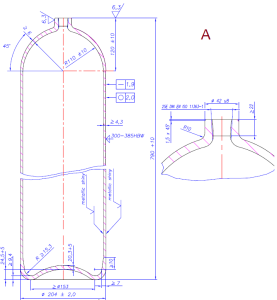
LPG cylinder supply includes machinery and services for the refurbishment of cylinders and fire extinguishers, such as cylinder testing, valve assembly machines, gas supply and refilling systems, as well as ISO containers for gas transport.
Pwent is committed to safe, compliant with ISO 11115 standard, Use of gas cylinders In addition, we also prioritise the integration of the latest technologies and the continuous expansion of our product range. Our company is active in several business areas, from the production of gas cylinder bundles and pallets, to the testing of machinery for tanks and fire extinguishers, right through to their refurbishment. We also deal with the handling and testing of fire extinguishing agents, including powder fire extinguishers, CO2 fire extinguishers and chemicals.
Summary
The internationally valid standards and regulations are essential for proper Gas safety and quality in maintaining them, as they ensure the avoidance of potential accidents, pollution, and damage.
Regulations such as the ADR standard or ISO 11114 contribute to the reliability of the industry, as well as to the efficiency of international trade, by regulating the safe transport of gas cylinder quality.